
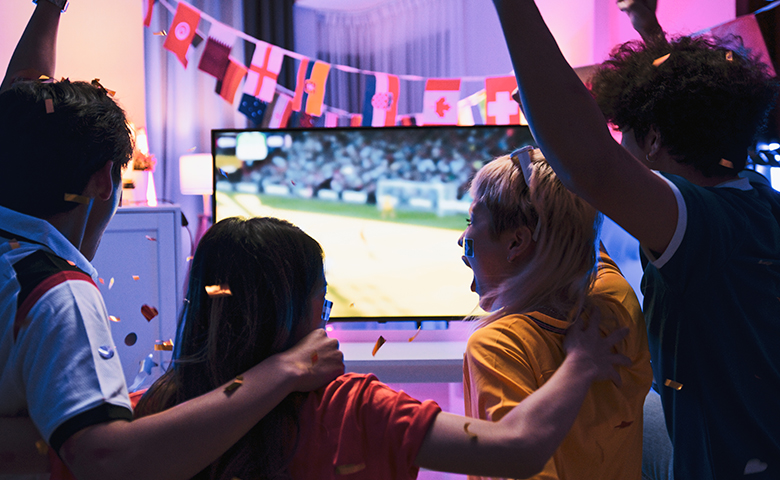
Every four years, the FIFA World Cup consumes audiences worldwide. According to Sports Illustrated, “the FIFA World Cup is the most-watched sporting event on the planet—nothing else comes close.” This year, Canada, Mexico and the USA will co-host the tournament in 16 different cities with 48 teams from around the globe competing in 104 matches. FIFA is projecting that around six billion people will engage with the tournament in some form.
World Cup human factors
While the FIFA World Cup is exciting, it can create real human factor risks in the workplace. You can expect to see fatigue and subsequent distraction, frustration, rushing and complacency—especially when workers are adjusting their schedules to catch matches between certain teams. With games taking place from June 11 until the final game on July 19 in four different time zones (Eastern, Pacific, Central, Mountain), some workers at your facility may likely stay up late to watch matches, wake up early for kickoff times, and spend the next day distracted talking about goals, bad calls and the outcome of the game.
FIFA fatigue
Many fans won’t think twice about sacrificing a good night’s sleep here and there over the course of the tournament. It’s only 22 days, after all. But late nights and early mornings can add up quickly. Even if people think “it’s just for this one game,” it can disrupt sleep patterns, especially when that one game turns into another, then extra time, then highlights and socializing afterward.
Additionally, some bars and restaurants are temporarily extending alcohol sales during matches throughout the tournament. According to the Sleep Foundation, alcohol may make you initially feel tired, but it actually disrupts your normal sleep patterns, leading to lighter, less restorative sleep and more frequent awakenings.
Fan focus failure (distraction)
The problem is that fatigue doesn’t just make people tired—it affects focus, reaction time and decision-making. Essentially, they’re distracted. People aren’t just operating in a FIFA fog; it’s more like autopilot behavior, with very little situational awareness. Regardless of where you work or what you do, being mentally drained makes it harder to stay fully present and aware of what’s going on around you.
This type of event is also likely to cause workers’ eyes and minds to not be on task if they’re curious about game results that happen during their workday. People will be checking scores during breaks, replaying highlights and talking about games with their peers throughout the day. Even workers who aren’t huge soccer (football?) fans can get pulled into the excitement. That kind of mental distraction may not seem serious, but it can take attention away from the task in front of you.
Red card rage (frustration)
Fatigue lowers patience—small inconveniences at work suddenly feel more irritating than usual, and frustration can build faster. If someone is invested in a particular game that didn’t go well, it can stick with them longer than they realize and carry over to work. Frustration causing someone to see red can mean skipping steps, taking shortcuts or not paying enough attention to routine tasks. And it’s when things don’t go according to plan that an uncharacteristic blow-up could happen.
The “one more highlight” hurry (rushing)
After staying up late for a game, mornings can feel rough. This can lead to hitting snooze too many times, leaving late and then trying to make up time by rushing. One other factor that the World Cup can contribute to (whether you altered your schedule to watch the game or not) is traffic congestion. You can expect extra traffic in the host cities and peripheral impacts in non-host cities due to the massive scale of the tournament.
Cruise-control cup mode (complacency)
The more people normalize the risk of going to work on reduced sleep, the more they’ll think they’re getting used to functioning while tired. But that’s where complacency becomes dangerous. Someone may feel like they’re fine—and even think they’re not tired—even though their awareness and reaction time are clearly reduced.
The FIFA effect
The FIFA World Cup may impact more than one worker, causing widespread workforce performance fluctuations. If a large number of workers are tired at the same time, companies may notice:
- more mistakes
- reduced focus
- lower productivity
- communication breakdowns
- increased near misses (or incidents)
The World Cup only happens every four years. Nothing ruins a great FIFA World Cup experience like a safety incident. Making sure everyone gets through it safely is more important than any final score.
If people are planning to stay up late for games or wake early for kickoff, they should prepare for it the same way they would prepare for a shift change or Daylight Saving Time. Workers should gradually adjust their sleep schedule before the matches they want to watch and make sure they’re getting enough rest to offset the sleep debt that can build throughout the tournament. Limiting caffeine, alcohol and blue-light exposure before bed can improve sleep quality and recovery. And people should also check the World Cup schedule ahead of time so they can plan their own schedule responsibly to cheer on their team without putting themselves—or others—at risk.
Safety managers should be aware of these risks, and then take steps to address the fatigue, distraction, frustration, rushing and complacency that stem from major events like the World Cup. Be sure to start conversations early and often about the potential impacts of late-night games and disrupted sleep. Work together with employees to adjust schedules, workloads and expectations (where possible) to help minimize fatigue-related risks, maintain productivity and strengthen workplace culture.
You can also build engagement by bringing some of the excitement into the workplace through FIFA-themed team activities, providing score updates or allowing workers to watch matches in the workplace. A successful FIFA World Cup tournament shouldn’t just create memorable moments for fans—it should also open the door to help you keep your people safe, energized and performing at their best.