
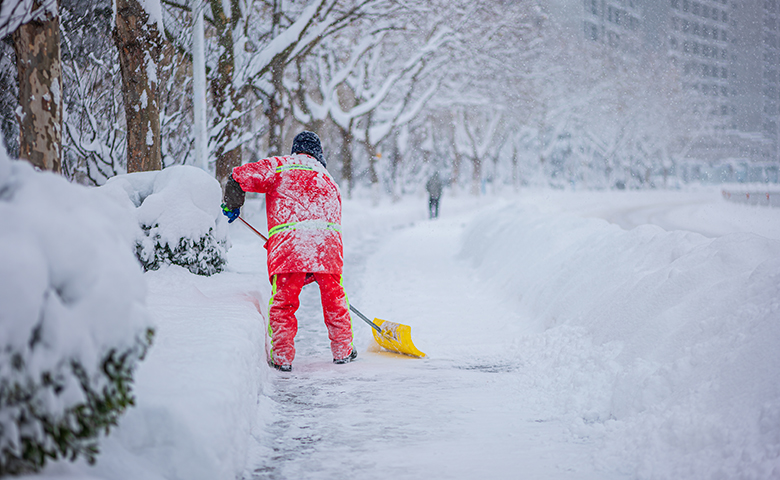
Winter weather is becoming increasingly unpredictable. Sudden temperature swings, freezing rain and heavy snowfall can catch workers and organizations off guard, forcing people to adapt quickly in environments that are already unforgiving. Cold weather doesn’t just challenge equipment and infrastructure—frozen doors and slippery roads—it affects the way people think and the human factors that influence their actions.
If you live in a cold part of the country, you’re among a large group of people who are likely sick of winter already—and that frustration is just one of the human factors we need to watch out for in the icy days before the springtime light at the end of the tunnel. Nearly 80% of New Year’s resolutions fail by mid-February, and it’s a good bet that our winter safety habits are getting a little shaky, too.
The good news? A few well-timed reminders about winter safety best practices can make a real difference. Here are four safety tips to help you make it safely through the dead of winter.
Tip #1: Slow down
When the weather is cold, dark and uncomfortable, the urge to rush is almost automatic. People take shortcuts to get out of the elements faster—skipping walkarounds, hurrying across icy surfaces, or cutting corners while clearing snow. Hurrying through a task narrows attention and increases the likelihood of errors and incidents. Whether it’s shoveling a driveway, exiting a vehicle or moving across a worksite, slowing down is one of the simplest and most effective winter safety strategies.
The same principle applies behind the wheel. Winter driving conditions make braking, turning and merging more difficult, especially when roads are slick or visibility is reduced. Driving too fast on winter-afflicted roads—even if it feels normal—can dramatically increase the severity of an incident.
Encouraging workers to take extra time, reduce speed and mentally reset before winter tasks helps counteract the pressure to rush and supports safer decisions when conditions are least forgiving. In the cold and icy months, slowing down can actually prevent delays, especially when safety is on the line.
Tip #2: Bundle up
Cold stress is often underestimated, especially by experienced workers who “have seen worse.” Frostbite and hypothermia don’t require extreme conditions to develop, and overconfidence is a poor substitute for proper winter PPE. In fact, frostbite can occur in as little as 30 minutes when windchill drops to 15 degrees Fahrenheit, and hypothermia can even take hold indoors. The risk of these maladies increases when people misjudge exposure time or push through discomfort to get a task done faster.
From a safety culture standpoint, providing proper winter clothing and PPE can do more than protect against the cold—they reduce the desire to hurry and curb exhaustion. Insulated gloves, waterproof boots, hard hat liners and layered clothing help workers stay comfortable, maintain dexterity and keep their focus on the task at hand. When people are cold, they’re far more likely to take shortcuts, get distracted or succumb to frustration. But if folks bundle up, they can keep control over those risky human factors that come with dampness and cold.
Tip #3: Take stock
By the time January rolls around, most people have already logged plenty of winter driving. If nothing has gone wrong, it’s easy to assume everything is fine—but that’s exactly when complacency can set in. Vehicle inspections, emergency kits and basic winter preparations often get overlooked as familiarity replaces caution. Unfortunately, winter road conditions don’t forgive those lapses, and small oversights can quickly escalate into serious incidents.
Research consistently shows that slick road surfaces and reduced visibility are among the most common contributors to winter vehicle incidents. Taking stock means checking more than just tires and batteries—it means ensuring drivers are mentally prepared, emergency supplies are accessible and basic safety habits haven’t slipped. Encouraging regular walkarounds, reviewing emergency kits and refreshing winter driving expectations can put safety front of mind so that workers can steer clear of seasonal hazards when the rubber meets the road.
Tip #4: Get out
Winter has a way of pushing people indoors. Shorter days, cold temperatures and slippery conditions often lead to less movement, less sunlight and more sedentary routines. Over time, that can take a toll on both physical and mental health. Fatigue, reduced strength and depression are all human factors that increase the likelihood of errors and injuries—both on and off the job.
Getting outside, even briefly, can help counteract these effects. Exposure to daylight supports vitamin D levels, which play a crucial role in maintaining bone, heart, and mental health, as well as overall well-being. Light physical activity—even a short walk in the winter sun—helps maintain fitness, reduces fatigue and improves focus. Encouraging workers to stay active during the winter months supports resilience, alertness and safer performance when conditions are toughest.
Winter safety messages are most effective when they’re shared early and often. These tips don’t need to live in a blog alone—they’re ideal for toolbox talks, safety meetings or digital displays. Small reminders to slow down, bundle up, take stock and get out can help workers recognize the human factors that quietly increase risk during the winter months. So don’t keep these ideas to yourself. Use them to spark conversations, reinforce habits and remind everyone that winter safety isn’t just about weather—it’s about people. With the right awareness and a few well-timed adjustments, we can all navigate the dead of winter safely.