
Complacency is one of the most underrated causes of injury. When people become complacent, they often stop thinking about (and looking for) risks and associated hazards for the task at hand. It’s a state of becoming too comfortable, which helps explain how people typically feel when they’re in that mindset.
When we repeat an action and nothing negative occurs, the brain quickly learns to interpret that behavior as safe—even if real risks are present. Each additional time we perform the same or a similar action without consequences, our sense of danger diminishes, and we become less aware of the potential risks involved. That’s how our brains work: familiarity feels safe, whether it actually is or not.
It’s a dangerous state of affairs at the best of times, and it’s even worse during the holiday season. Every year, we tend to follow the same routines to prepare for the holidays, and that familiarity can become fertile ground for complacency. Familiar, repeated tasks are especially susceptible to what we call transferable complacency. As discussed in our guide Fighting Familiarity: Overcoming Complacency in the Workplace, transferable complacency occurs “when a task is similar to one that has been performed before; your brain will more rapidly become familiar with it, requiring fewer neurons to fire to complete the task. While this can make the task seem easier to perform, the transferable complacency may also bring a lack of concern for associated risks due to the supposed familiarity of the task. Those blind spots can lead to negative consequences.”
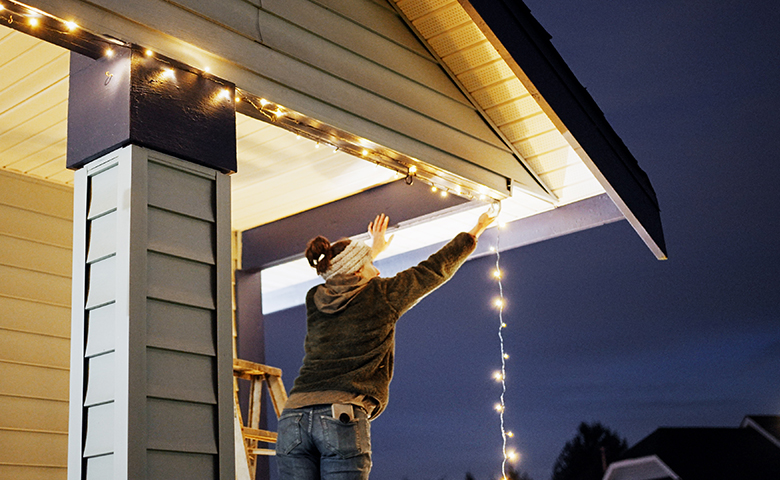
Putting up Christmas lights every year is a perfect example of transferable complacency. It’s repetitive in that it’s typically done the same way every year with the same equipment. It feels routine because it’s done annually and the familiarity of the task reduces perceived risk. But the risks are real: according to USA Facts, over 18,000 people visit the ER for holiday decoration-related mishaps, with the Sunday after Thanksgiving as the peak day for seeking medical attention for these injuries. With falls—presumably from ladders—cited as the most common cause of holiday decoration-related injuries.
People often overlook complacency as a contributing factor to injuries because more obvious causes are easier to identify and blame. Holiday fatigue, rushing, and frustration can all increase complacency and safety risks during the holiday season. The added stress of busy schedules, extra commitments, family pressures, financial concerns, and the push to get things done quickly can lead to sleep deprivation, reduced focus, irritability, and poor decision-making. As people become tired, rushed, or frustrated, they are more likely to overlook hazards, take shortcuts, make mistakes, and underestimate risks. These factors can affect both work and home activities, making it harder to stay alert and maintain safe habits.
Here’s what you can do about holiday-heightened complacency:
- Predict when you’re likely to be complacent. When executing a routine task for the hundredth time, recognize that this is a time you’re likely going to take a shortcut and neglect to recognize associated hazards. Keep transferable complacency in mind this holiday season. Common times you’ll experience transferable complacency are driving a familiar route to visit family, shopping in the same old stores (except they’re now crowded) or cooking a large family meal.
- Recognize that other states of mind, like rushing or frustration, may take your attention away from times you may be complacent. The most common precursor to holiday complacency is rushing (think last-minute shopping, end-of-year work deadlines, holiday hosting). The key is learning to spot these states early so you can adjust before they influence your decisions. If you’re not consciously thinking about associated risks in any given situation, there’s a chance you are in a state of complacency.
- Talk about your holiday state of mind. Sleep debt quickly accumulates in the lead-up to and over the holidays, and people become more prone to mistakes and injuries. With more on to-do lists and less time to do things, it’s easy to rush, take shortcuts, or overlook important details. The holidays bring extra frustration and stress when things don’t go as planned. Regular reminders, toolbox talks, safety stories, and reinforcing good habits can help everyone stay aware and keep safety a priority during the busy holiday season. But you need to make sure everyone is talking about it.
Complacency is often referred to as the silent killer because it waits until you’re comfortable before it decides to show up. We’re not saying to spend your holidays uncomfortable, but it’s worth taking a minute to recognize holiday-heightened complacency (and other holiday-heightened states of mind) before it becomes a problem. Recognize complacency, challenge familiar habits, and keep safety top of mind. For more information on how to handle complacency, read our guide Fighting Familiarity: Overcoming Complacency in the Workplace. And to help keep safety top of mind in your facility, check out our free holiday resources. Have a safe and happy holiday season!